Diancha
Introduction
Diancha, an ancient Chinese tea preparation technique, originated during the Tang Dynasty (618-907) and reached its zenith in the Song Dynasty (960-1279). This traditional art involves whisking powdered tea with water to create a frothy surface, which can be used for artistic expression, such as drawing patterns or writing. The froth is so fine and stable that it allows for intricate designs, a practice known as chabaixi, which has been recognized as a provincial-level intangible cultural heritage in Fujian province. Diancha is not only a method of tea preparation but also a cultural and artistic practice that reflects the aesthetics and values of its time.
The technique of diancha was highly popular among all social classes during the Song Dynasty, from the royal court and literati to common citizens. It also inspired the Japanese matcha tea ceremony, showcasing its influence beyond China's borders. In modern times, diancha has experienced a revival, with enthusiasts and scholars working to bring this ancient art back into contemporary life. Its resurgence has been fueled by popular media, such as TV dramas, and the efforts of individuals dedicated to preserving and promoting traditional Chinese tea culture.
History
Diancha's origins can be traced back to the Tang Dynasty, a period when tea culture began to flourish in China. However, it was during the Song Dynasty that diancha became a widespread and refined practice. The Song era, often referred to as the Chinese Renaissance, was marked by significant advancements in arts, culture, and technology. Tea, which had become a daily necessity for people of all social strata, was prepared and consumed in innovative ways, with diancha emerging as a popular method.
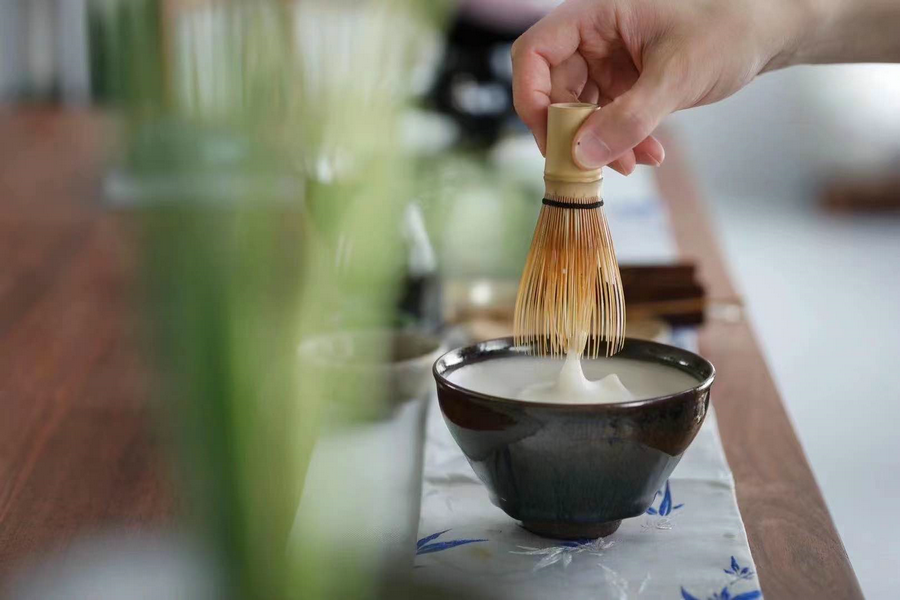
The process of diancha involves pouring hot water over powdered tea to create a paste, followed by the gradual addition of more hot water while whisking the mixture with a bamboo brush. This technique produces a fine froth on the tea's surface, which was considered a mark of quality. The froth's texture and longevity were often used to judge the skill of the tea preparer and the quality of the tea itself.
Diancha was not only a practical method of tea preparation but also a form of artistic and social expression. Tea-whisking contests were common, with participants competing to create the most stable and aesthetically pleasing froth. The practice also held cultural significance, as it was associated with the refined tastes of the literati and the royal court. Emperor Huizong of the Song Dynasty, an accomplished artist and tea connoisseur, wrote extensively about diancha in his book "Treatise on Tea," further elevating its status.
The influence of diancha extended beyond China, as it was introduced to Japan during the Song Dynasty. The Japanese matcha tea ceremony, which shares similarities with diancha, is a testament to its enduring legacy. Despite its decline in popularity in later dynasties, diancha has been preserved in historical texts and is now experiencing a modern revival.
Preparation Process
Tools and Utensils
The preparation of diancha requires specific tools and utensils, each designed to enhance the tea-making process. The primary tools include:
-
Tea Bowl (Cha Wan): A wide, shallow bowl used to hold the powdered tea and water. The shape of the bowl facilitates whisking and allows for the creation of a fine froth.
-
Bamboo Whisk (Cha Zhu): A specialized whisk made from bamboo, used to mix the tea and water. The whisk's design ensures even blending and the formation of froth.
-
Tea Scoop (Cha Shao): A small scoop used to measure and transfer the powdered tea into the bowl.
-
Water Kettle (Shui Hu): A kettle used to heat water to the appropriate temperature for tea preparation.
-
Tea Powder (Mo Cha): Finely ground tea leaves, typically green or white tea, used as the base for diancha.
Steps of Preparation
The process of preparing diancha involves several meticulous steps:
-
Measuring the Tea Powder: Using the tea scoop, measure an appropriate amount of powdered tea and place it into the tea bowl.
-
Initial Mixing: Pour a small amount of hot water (around 80-90°C) over the tea powder to create a paste. Use the bamboo whisk to mix the tea and water evenly.
-
Whisking: Gradually add more hot water while continuously whisking the mixture. The whisking motion should be quick and consistent, requiring coordination between the wrist and arm. This step is crucial for creating a fine, stable froth on the tea's surface.
-
Creating Patterns: Once the froth is formed, artistic designs can be drawn on the surface using a teaspoon or other tools. This step, known as chabaixi, allows for creative expression and adds an aesthetic dimension to the tea.
-
Serving: The prepared tea is served immediately, as the froth is best enjoyed fresh. The ideal temperature for consumption is around 40°C.
Influence on Tea Culture
Diancha has had a profound impact on tea culture, both in China and abroad. During the Song Dynasty, it elevated tea preparation to an art form, integrating elements of aesthetics, craftsmanship, and social interaction. The practice influenced other aspects of Chinese culture, such as poetry, calligraphy, and painting, as tea gatherings often served as venues for artistic and intellectual exchange.
The introduction of diancha to Japan during the Song Dynasty led to the development of the Japanese matcha tea ceremony, which continues to be a significant cultural practice. This connection underscores the role of diancha in shaping tea traditions across East Asia.
In modern times, diancha's revival has sparked renewed interest in traditional Chinese tea culture. Its unique combination of artistry and technique appeals to contemporary audiences, offering a deeper appreciation of tea as more than just a beverage.
Modern Revival
The resurgence of diancha in recent years can be attributed to the efforts of tea enthusiasts, scholars, and cultural practitioners. Individuals like Guanhe and Han Zheming have played pivotal roles in promoting and preserving this ancient art. Through books, social media, and workshops, they have introduced diancha to a wider audience, emphasizing its historical significance and cultural value.
Popular media, such as TV dramas like "A Dream of Splendor," has also contributed to diancha's revival. These portrayals have brought traditional tea culture into the spotlight, inspiring viewers to explore and practice diancha themselves.
Today, diancha is celebrated not only as a historical tradition but also as a modern art form. Its ability to combine taste, aesthetics, and cultural heritage makes it a unique and enduring aspect of Chinese tea culture.








