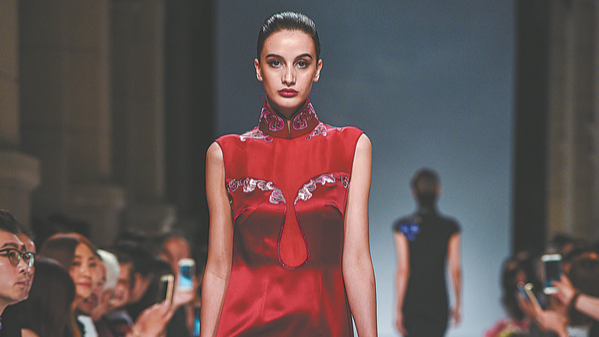
Cheongsam
Introduction
The cheongsam, also known as qipao, is a traditional Chinese dress that has become an enduring symbol of Chinese culture and femininity. Characterized by its form-fitting silhouette, high collar, and side slits, the cheongsam accentuates the wearer's figure while maintaining an air of elegance and sophistication. Its appeal transcends borders, making it a beloved fashion item globally and a continuous source of inspiration for designers worldwide.
Historical Background
The cheongsam originated during the Qing Dynasty (1644-1911) as a long robe worn by both men and women. In its early form, it was loose-fitting and wide, resembling the robes worn by men of that period. The transition of the cheongsam into a fashionable women's garment began in the 1920s in Shanghai, where it underwent significant stylistic changes. It became more form-fitting, with shorter sleeves and higher slits, reflecting the era's trend of accentuating the female form. By the 1930s, the cheongsam was a staple in Chinese women's wardrobes, symbolizing both modernity and cultural pride.
Cultural Significance
The cheongsam holds great cultural significance as it encapsulates the intersection of tradition and modernity in Chinese society. It represents not only the aesthetic ideals of Chinese femininity but also the progress in gender equality, as more women became educated and employed, particularly after the May Fourth Movement. The dress is often associated with poetic and romantic imagery, as portrayed in literature and films, most notably in Wong Kar-wai's "In the Mood for Love," where it highlights the elegance and grace of the female protagonist.
Evolution and Styles
Since its emergence in the 1920s, the cheongsam has undergone numerous transformations. The styles have varied significantly, with differences in sleeve lengths, collar height, and dress length. Two main styles emerged: the Shanghai style, known for its intricate patterns and emphasis on the shoulder and figure, and the Beijing style, which tends to be more conservative. Modern adaptations have introduced new materials, colors, and designs, allowing for versatility in its use, from formal occasions to casual wear. Cheongsam today can be designed with looser fits and contemporary elements, making it suitable for everyday fashion.
Global Influence
The global impact of the cheongsam is evident in its presence on international runways and in its influence on global fashion trends. The dress's unique blend of Eastern tradition and modern fashion aesthetics has made it a source of inspiration for designers worldwide. Western fashion houses have incorporated cheongsam elements into their designs, showcasing them in major fashion events. The cheongsam is not only a symbol of Chinese cultural heritage but also a representation of cross-cultural fashion integration.
Modern Adaptations
In recent years, modern adaptations of the cheongsam have emerged to match contemporary fashion sensibilities. Designers have experimented with different fabrics, patterns, and cuts to create versatile cheongsams that fit various occasions, from business to casual settings. Some modern versions feature Western influences, such as the inclusion of zippers or the use of denim and lace. These adaptations ensure that the cheongsam remains relevant in today's fashion landscape, appealing to both younger audiences and those who appreciate traditional attire.
The cheongsam continues to captivate wearers and admirers globally, standing as a testament to the enduring allure of traditional Chinese dress and its ability to adapt and thrive in modern fashion.








