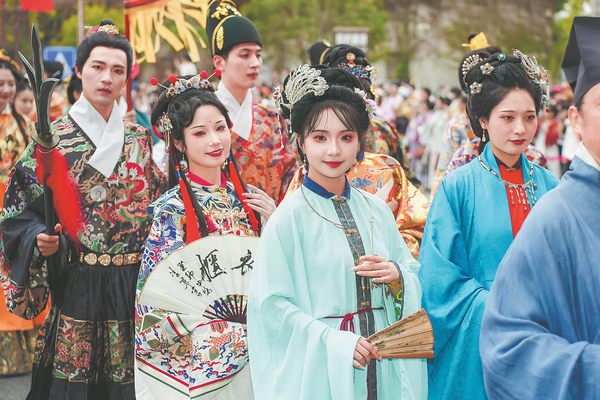
Hanfu
Introduction
Hanfu, the traditional clothing of the Han ethnic group in China, represents an enduring legacy of Chinese culture, embodying nearly 4,000 years of history. This attire, which includes a variety of styles and intricate designs, was predominantly worn before the Qing Dynasty (1644-1911). Distinctive for its lack of zippers or buttons, hanfu relies on belts to secure its garments, offering a unique aesthetic compared to modern fashion. Hanfu is not merely a piece of clothing; it serves as a cultural symbol that links individuals to their ancestral heritage and traditional philosophies. Its renewed popularity is driven by its aesthetic appeal and the connection it offers to China's rich historical and cultural tapestry. The growing interest in hanfu among young Chinese and international enthusiasts highlights its role as both a fashion statement and a medium of cultural expression.
Historical Background
The history of hanfu is intricately tied to the evolution of the Han Chinese civilization, reflecting changes in society, economy, and cultural practices over millennia. Prior to the availability of archaeological evidence, the origins of Hanfu can be dated back to the Shang Dynasty (c.16th century-11th century BC). Over time, Hanfu evolved through various dynasties including the Western Han Dynasty (206 BC-24 AD), Tang Dynasty (618-907), Song Dynasty (960-1279) and Ming Dynasty (1368-1644), undergoing significant changes and adaptations. Each era introduced distinct styles, patterns, and craftsmanship techniques, contributing to the diverse repertoire of hanfu today. Historical records and archaeological findings, including ancient pottery and murals, provide insights into the styles and symbolism of hanfu, underscoring its role in ceremonial, social, and everyday life. This historical interplay underscores hanfu's significance as both a cultural artifact and a living tradition that continues to evolve and inspire.
Cultural Significance
Hanfu embodies profound cultural significance, symbolizing the continuity and resilience of Han Chinese identity. It serves as a medium to express philosophical concepts of balance, harmony, and aesthetic beauty, inherent in its design and craftsmanship. The attire holds a repository of intangible cultural heritage, encompassing techniques such as Su embroidery, kesi weaving and velvet flower-making. These traditional crafts reflect the intricate artistry and cultural values passed down through generations. Hanfu's cultural resurgence is also seen as a response to globalization, where young Chinese embrace this attire as a form of cultural pride and self-expression, bridging the gap between ancient traditions and contemporary identity. Beyond clothing, hanfu represents a broader cultural revival, encouraging the exploration and appreciation of Chinese language, arts, and customs. Its adoption worldwide demonstrates its universal appeal and potential as a cultural bridge fostering mutual understanding and appreciation among diverse communities.
Hanfu Revival and Popularity
The revival of hanfu has gained momentum over the last two decades, marked by a significant increase in enthusiasts and public visibility. This resurgence is attributed to a growing interest in traditional culture among Chinese youth, a trend fueled by social media platforms and cultural movements. The revival is not limited to China. It has sparked international interest, with cultural exchanges and events promoting hanfu globally. This widespread revival underscores hanfu's role as a symbol of cultural resurgence, offering a timeless connection to heritage while adapting to modern sensibilities and lifestyles.
Hanfu in Tourism and Cultural Events
Hanfu's integration into tourism and cultural events has significantly enhanced its visibility and appeal. Tourist destinations across China, such as Xi'an and Hangzhou, have embraced hanfu-themed events, attracting both locals and tourists eager to experience the attire in historical settings. These events often include hanfu parades, cultural performances, and interactive workshops, providing participants with immersive experiences that celebrate traditional Chinese culture. Additionally, hanfu rental services at scenic spots allow visitors to don traditional costumes, enriching their cultural exploration and creating memorable photographic opportunities. The popularity of hanfu in cultural festivals, such as the annual Traditional Chinese Garment Day and the Huazhao Festival, further cements its role in cultural tourism. These initiatives not only promote hanfu but also contribute to the preservation and dissemination of China's cultural heritage, fostering a deeper appreciation and understanding of traditional practices among both domestic and international audiences.
Challenges and Future Prospects
Despite its growing popularity, the hanfu movement faces several challenges, including misconceptions about its practicality and historical authenticity. There is a need for greater education and awareness to dispel myths and promote accurate understanding of hanfu's historical context and cultural significance. Additionally, the commercialization of hanfu poses risks of cultural commodification and dilution, necessitating efforts to balance commercial interests with cultural integrity. The future prospects of hanfu lie in its ability to continue evolving while staying true to its cultural roots. This involves fostering innovation in design, expanding its appeal across diverse demographics, and integrating hanfu into everyday life without compromising its traditional essence. As the hanfu movement progresses, collaboration among cultural institutions, designers, and enthusiasts will be crucial in ensuring its sustainable development and preservation as a vibrant and meaningful expression of Chinese cultural heritage.








