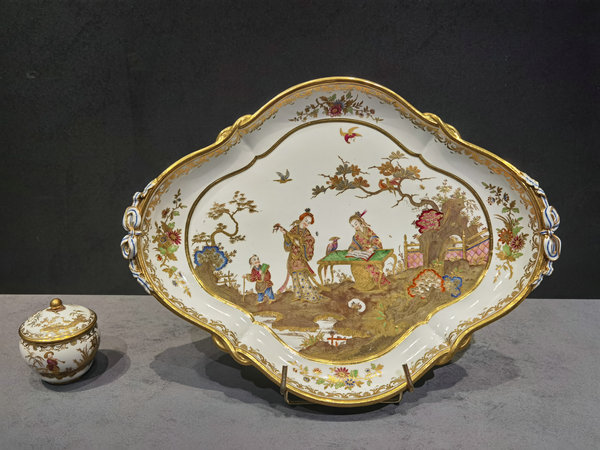
Chinoiserie
Introduction
Chinoiserie, a term derived from the French word "chinois", meaning "Chinese", refers to a style in art, architecture and decorative items that reflect Chinese artistic influences through the use of elaborate decoration and intricate design. The term gained prominence in the 18th century, a period when European countries were enamored with the exotic aesthetics of China and Asia at large. Its enduring appeal can be attributed to its dreamlike representation of an imaginary China, often depicted with pagodas, dragons and Chinese motifs intertwined with Western elements.
Historical Context
The fascination with the Orient, and China specifically, began in the 17th century when European traders, such as the British and Dutch East India Companies, expanded trade routes to Asia. This cultural exchange led to the import of Chinese goods, including porcelain, silk and lacquerware, which were highly prized by European elites. The influx of these goods inspired European artisans to emulate and adapt Chinese designs, resulting in a unique fusion of styles now known as Chinoiserie.
The style first gained popularity in France and England, where it was embraced by the aristocracy and became symbolic of luxury and opulence. Chinoiserie spread throughout Europe, influencing a wide range of artistic expressions, from furniture and textiles to paintings and garden design.
Characteristics
Chinoiserie is characterized by its incorporation of fanciful and romanticized Chinese imagery and themes. Common elements include:
-
Motifs and Symbols: Dragons, pagodas, foo dogs, exotic birds and floral patterns are frequently used motifs. These symbols are often presented in a whimsical and exaggerated manner, reflecting the Western interpretation of Chinese culture.
-
Color and Detail: Rich, vibrant colors such as red, gold and blue are prevalent, along with intricate detailing that showcases a high level of craftsmanship. The use of gilding and lacquering techniques further enhances the luxurious feel of Chinoiserie pieces.
-
Combination of Eastern and Western Styles: Chinoiserie often involves the blending of Eastern and Western artistic styles, creating a hybrid form that is both exotic and familiar. This fusion is apparent in the architecture of buildings with Western structures adorned with Eastern decorative elements.
-
Materials: The use of fine materials such as porcelain, silk and lacquer is typical, reflecting the influence of Chinese manufacturing techniques and the desire for high-quality, durable goods.
Influence and Legacy
Chinoiserie has left a lasting impact on various art forms and continues to be a source of inspiration for designers today. During its peak in the 18th century, it was seen in the interiors of royal palaces, such as the Chinese House at the Royal Palace of Aranjuez in Spain and the Trianon de Porcelaine in Versailles, which underscored its association with royal and noble tastes.
In addition to architecture and interior decoration, Chinoiserie influenced the production of ceramics, textiles and furniture. European manufacturers like Meissen and Wedgwood produced Chinoiserie-inspired porcelain, while English and French furniture makers incorporated Chinese-style lacquered surfaces and decorative motifs into their designs.
In contemporary times, Chinoiserie remains popular among collectors and is frequently revisited in modern interior design, fashion and art, appreciated for its decorative richness and historical significance. The style's ability to evoke a sense of fantasy and nostalgia ensures its continued relevance and appeal.








