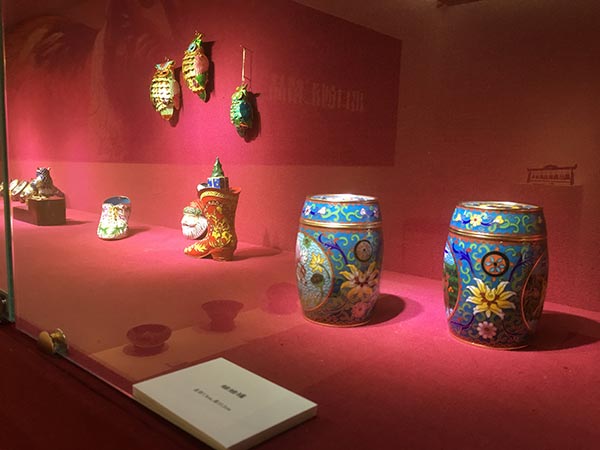
Cloisonne
Introduction
Cloisonné is a distinguished and intricate metalwork technique that has been admired for centuries for its aesthetic appeal and craftsmanship. This ancient art form involves decorating metal objects with minerals and glass-like enamel, often incorporating cut gemstones and glass inlays. The technique is characterized by the use of thin metal wires, which are bent to form the outlines of a design. These wires are then soldered onto a metal surface, creating compartments, or cloisons, which are filled with vibrant enamel paste. Once fired and polished, the result is a stunning piece with a smooth, glassy surface that showcases intricate designs and vivid colors. The making of Cloisonné was included in the list of China's national-level intangible heritage in 2006.
History
The history of cloisonné is a tale of cultural exchange and artistic evolution that spans continents and centuries. The technique's origins can be traced back to the Mycenaean period over 3,300 years ago in southern Europe. It made its way to China and gained significant popularity during the Ming (1368-1644) and Qing (1644-1911) dynasties. The cloisonné technique reached its zenith during the reign of Emperor Jingtai (1450-1457) in the Ming Dynasty and is often referred to as "jingtai lan," meaning "the blue of the Jingtai period", due to the prevalent use of blue enamel during this era. The art form was further refined during the Qing Dynasty, particularly under Emperor Qianlong, when it became a favored medium for creating imperial objects.
Production Techniques
The creation of cloisonné is a meticulous process that involves several stages, each requiring precision and skill.
Enameling
The enameling process is central to cloisonné production. Artisans begin by creating a design with thin metal wires, which are soldered onto a metal base to form the cloisons. These compartments are filled with finely ground enamel paste, often made from crushed minerals, which gives cloisonné its distinctive colors. The object is then fired in a kiln at high temperatures, causing the enamel to melt and fuse to the metal. This process may be repeated several times, with additional layers of enamel applied, to achieve the desired depth of color and smoothness.
Metalwork
Metalwork plays a crucial role in the creation of cloisonné. The base of the object is usually made of copper, chosen for its malleability and durability. Crafting the base involves shaping and forming the metal into the desired object, be it a vase, plate, or intricate sculpture. The delicate wires used to form the cloisons are meticulously bent and shaped to match the intricate designs. The precision required in this stage is paramount, as it sets the foundation for the enamel work that follows.
Cultural Significance
Cloisonné is considered a symbol of Chinese artistic heritage and technological achievement. Its use in imperial courts and temples reflects its high status. The intricate designs often incorporate auspicious symbols, representing prosperity, longevity, and harmony.
Cloisonné has been extensively used in the creation of ceremonial objects, particularly in China. During the Ming and Qing dynasties, cloisonné was often employed in the production of imperial court items such as incense burners, vases, and ritual vessels. These objects were used in various ceremonial contexts, serving as both functional items and symbols of imperial power and elegance.
Modern Applications
In contemporary times, cloisonné continues to captivate artists and collectors alike. Modern applications of this technique can be seen in a variety of contexts, from jewelry design to architectural elements. Today, cloisonné is not only appreciated for its historical and cultural value but also as a medium for modern artistic expression. Innovations in materials and techniques have allowed artists to experiment with new forms and styles, expanding the possibilities of this ancient craft.








