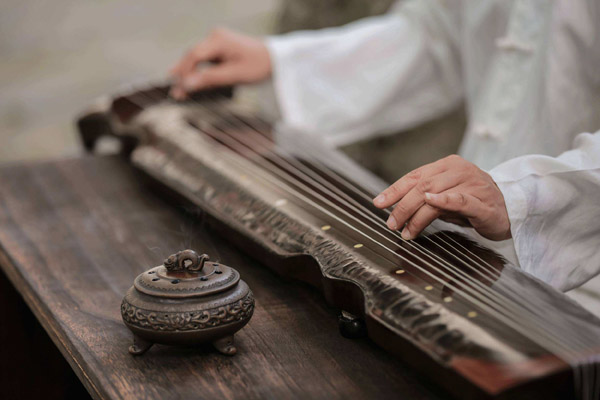
Guqin
Introduction
The Guqin is an ancient Chinese musical instrument that holds a significant place in China's cultural history. With a history spanning over 3,000 years, it is considered the foremost solo musical instrument in Chinese tradition. Often simply referred to as "qin," the instrument was renamed "guqin" (where "gu" means ancient) to distinguish it from other stringed instruments introduced later.
Historical Background
The guqin is deeply intertwined with Chinese intellectual history and was favored by scholars and literati. It is one of the four arts—along with calligraphy, painting, and a form of chess—that Chinese scholars were traditionally expected to master. This elegance and historical significance have elevated the guqin to a revered status in Chinese culture.
According to tradition, mastering the guqin requires about twenty years of dedicated practice, underscoring its complexity and the depth of skill required to play it with proficiency. Archaeological finds and ancient literary sources have corroborated its long existence and evolving sophistication over millennia. The instrument was primarily played in intimate settings rather than public performances, emphasizing its role as a tool for personal expression and reflection.
Structure and Playing Technique
The guqin is a seven-stringed zither-like instrument, with thirteen marked pitch positions. The strings are traditionally made of silk but have evolved to include steel-and-nylon composites in modern times. The instrument is played using three main techniques: san (open string), an (stopped string), and fan (harmonics). Each method contributes to the distinctive ethereal and expressive sound of the guqin. The right hand plucks the strings to produce sound, while the left hand manipulates the strings to create various notes and effects.
The open string technique (san) involves plucking strings to produce clear and strong sounds. In contrast, the harmonic technique (fan) creates a light, floating overtone by lightly touching the string at specific markers while plucking. These techniques demand precision and control, allowing the musician to produce a wide range of tones and expressions.
Cultural Significance
The guqin holds a special place in Chinese culture as a symbol of scholarly and personal refinement. It is often associated with intellectual figures and has been a vehicle for conveying deep philosophical and emotional content. The instrument's quiet and contemplative tones foster a meditative atmosphere, making it a perfect companion for introspection and artistic expression.
Yu Boya, a renowned guqin musician, is one of the most famous historical figures associated with the instrument. The tale of his friendship with the woodcutter Zhong Ziqi, who could understand the essence of his music, is immortalized in the legendary piece "Flowing Water, High Mountains." This story exemplifies the guqin's role as a medium for profound connection and communication.
Preservation and Education
The guqin has been recognized by UNESCO as a masterpiece of intangible cultural heritage, reflecting its profound cultural value and the need for its preservation. Educational initiatives and cultural events worldwide continue to promote the guqin, ensuring its techniques and traditions are passed down to future generations. Guqin societies and workshops hold concerts, lectures, and collaborative projects, celebrating the instrument's enduring legacy and its potential for innovation.
As an embodiment of Chinese culture and intellectual history, the guqin remains a vital part of the country's artistic heritage. Its timeless beauty, rich history, and distinct musical language continue to captivate audiences, highlighting the guqin's unique role as both a historical artifact and a living tradition.








