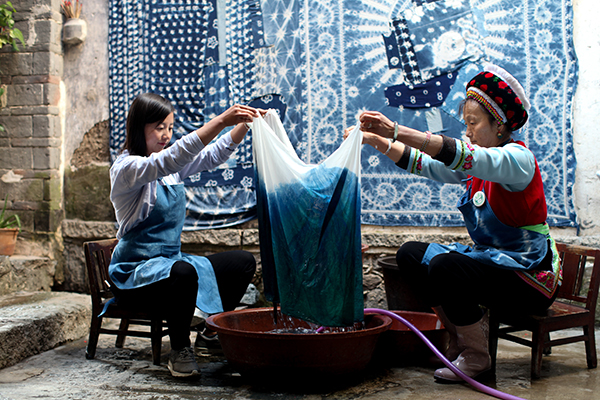
Tie-dyeing
Introduction
Tie-dyeing is an ancient textile dyeing technique that involves tying or folding fabric in intricate patterns and then applying dyes to create vibrant designs. This method dates back thousands of years and has been practiced across various cultures, each adding their unique styles and traditions to the craft. Unlike many modern dyeing techniques, tie-dyeing incorporates manual manipulation of the fabric, resulting in one-of-a-kind patterns that cannot be replicated by machines. The process typically involves binding sections of cloth with threads or rubber bands before immersing it in dye, which prevents the dye from penetrating the tied areas, creating stunning patterns upon drying.
History
Tie-dyeing has a rich and diverse history, with roots that can be traced back to multiple regions worldwide, including Asia, Africa, and the Americas. In China, the art of tie-dyeing is particularly significant, with evidence suggesting that it was practiced as early as the Tang (618-907) and Song (960-1279) dynasties. During these periods, Chinese artisans perfected the technique, using plant-based dyes and intricate tying methods to create complex designs primarily in blue and white. The town of Zhoucheng, in the Bai autonomous prefecture of Dali, Yunnan province, remains a renowned center for traditional Chinese tie-dyeing, which has been recognized as a national intangible cultural heritage since 2006.
In addition to its Chinese origins, tie-dyeing was also prevalent in other Asian cultures, such as Japan's shibori and India's bandhani, each contributing different techniques and aesthetic styles to the global understanding of tie-dyeing. In the 1960s, tie-dyeing gained immense popularity in Western cultures, particularly in the United States, as a symbol of the counterculture movement, representing individuality and freedom.
Techniques
Traditional Methods
Traditional tie-dyeing techniques are often labor-intensive and require a deep understanding of fabric manipulation and dye application. In the Bai ethnic tradition, the process involves making intricate knots in the fabric, dipping and dyeing it in natural plant-based dyes, and then drying it in the sun. The patterns usually draw inspiration from local scenery and cultural motifs, primarily utilizing blue and white colors. This method not only produces unique designs but also carries cultural and historical significance, as the motifs often represent elements of nature or traditional folklore.
Another traditional method is the use of indigo dye, which is derived from the Radix Isatidis plant. The fabric is folded, pleated, or twisted and then bound tightly before being submerged in the dye. The parts of the fabric that are tightly bound resist the dye, resulting in a contrast between dyed and undyed sections. This method is known for its durability, as the natural dyes are less likely to fade compared to synthetic alternatives.
Modern Innovations
Contemporary tie-dyeing has evolved with the introduction of synthetic dyes and modern techniques, allowing for a broader color palette and more experimental designs. Modern innovations also include the use of different binding materials and tools that enable more precise control over the patterning process. Some artists and designers have integrated tie-dyeing into fashion, creating high-end clothing that blends traditional methods with modern aesthetics. This has led to a resurgence in its popularity, as designers like Lin Fanglu incorporate tie-dyeing into various art installations and contemporary home decor.
Moreover, modern tie-dyeing often involves using digital platforms and software to pre-plan designs, ensuring more predictable outcomes. The availability of synthetic dyes has expanded the color range significantly, allowing for bold and vibrant patterns that were previously unattainable with natural dyes. This blend of tradition and innovation keeps the craft relevant in today's fashion and art industries.
Cultural Significance
Regional Variations
Tie-dyeing holds cultural significance across many regions, each with its distinctive style and meaning. In China, the Bai ethnic group's tie-dyeing techniques are renowned for their intricate patterns and use of natural dyes. These patterns often symbolize harmony with nature and are inspired by local landscapes and flora. The cultural practice is deeply intertwined with the community's identity and traditions, often passed down through generations.
In Japan, the shibori technique emphasizes meticulous folding and binding, resulting in precise and symmetrical patterns. In India, bandhani involves tying thousands of tiny knots, creating complex dot patterns that carry cultural significance in traditional garments like saris and turbans. Each of these regional variations reflects the unique cultural heritage and artistic expression of its people, contributing to the global tapestry of tie-dyeing traditions.
Symbolism and Meaning
Tie-dyeing often carries symbolic meanings, particularly in cultures where it has historical roots. In many Asian cultures, the patterns and colors used in tie-dyeing can convey specific messages or signify certain occasions. For example, in the Bai culture, blue symbolizes tranquility and harmony, while specific motifs can represent luck, prosperity, or protection against evil spirits.
Applications
Fashion
High-fashion brands have incorporated tie-dye patterns into their collections, often collaborating with traditional artisans to create pieces that honor cultural heritage while appealing to contemporary tastes.
Many designers use tie-dyeing to make statements about sustainability, opting for natural dyes and ethical production methods. This aligns with the growing consumer demand for eco-friendly fashion and supports the preservation of traditional crafts. The versatility of tie-dyeing allows it to be applied to various garments, from casual T-shirts and dresses to more sophisticated pieces like silk scarves and tailored suits.
Art and Design
Beyond fashion, tie-dyeing has found its place in the art and design world. Some artists have used tie-dyeing techniques to create large-scale installations, exploring themes of cultural identity and self-expression. The tactile nature of the fabric and the unpredictability of the dyeing process offer artists a unique medium for experimentation and innovation.
In interior design, tie-dye patterns are used to add texture and color to home decor items such as cushions, curtains, and wall hangings. The technique's organic and fluid patterns can create a sense of movement and dynamism in a space, often serving as a focal point in minimalist or modern interiors. Tie-dyeing's influence in art and design highlights its enduring appeal and adaptability, making it a timeless craft that continues to inspire and captivate.








