Hua'er
Introduction
Hua’er, a captivating folk song tradition, is a significant musical and cultural expression shared predominantly by nine ethnic groups in Gansu and Qinghai provinces, Ningxia Hui autonomous region, as well as north-central China. Hua’er was added to the Representative List of the Intangible Cultural Heritage of Humanity in 2009. The tradition is emblematic of an extensive musical repertoire deeply rooted in the ethnic and geographical diversity of its practitioners, and it is an integral part of the social and cultural fabric of the communities that cherish it.
History
The history of Hua'er is intertwined with the cultural and social history of the ethnically diverse regions of Gansu, Qinghai and Ningxia. Over centuries, these areas have seen a blend of cultural influences due to their position along historical trade routes and interethnic interactions. Hua'er songs, evolving through generations, have become both a means of personal expression and a medium for storytelling, reflecting local life, social changes, and the everyday struggles and joys of the people. Not only do they capture the essence of agrarian life and romantic tales, but they also serve as oral records of societal transformations and development.
Musical Characteristics
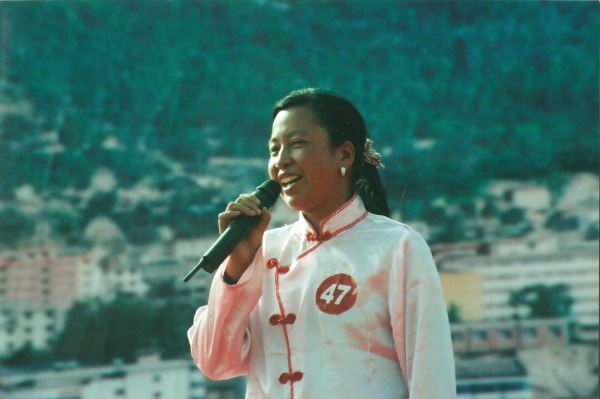
Hua’er performances are central to many regional festivals, which are plentiful and celebrated with great enthusiasm. Hua'er is performed both spontaneously in informal settings, such as fields or during travel, and in organized, formal gatherings during festivals. The performance context can vary from solo acts to group performances, often accompanied by traditional instruments.
Melody and Rhythm
The musical characteristics of Hua'er are defined by its distinct melody and rhythm, which are often inspired by local folk traditions and natural surroundings. The melodies are typically bold and expressive, mirroring the vast landscapes and the robust lifestyles of the communities. Rhythms in Hua'er songs can vary significantly, but they often adhere to a flexible structure that allows for improvisation, a hallmark of this musical form. This adaptability in rhythm and melody makes Hua'er an evolving art form that can be both dynamic and reflective of contemporary influences while retaining its traditional roots.
Lyrics and Themes
Hua'er lyrics are rich in metaphor and emotion, often improvisational in nature. The themes encompass a wide array of subjects, from love and romance to the hardships of rural life and the beauty of the natural world. Each verse is traditionally structured with lines composed of seven syllables, and the songs often follow rules that dictate the number of lines per verse, ranging from three to six. The improvisational aspect of Hua'er allows singers to infuse contemporary issues and personal experiences into their performances, making each rendition a unique reflection of the singer's thoughts and the audience's collective experiences.
Cultural Significance
Hua'er holds a prominent place in the cultural identity of the ethnic groups in north-central China. It functions as more than just a form of entertainment; it is a powerful vehicle for emotional and cultural expression. The social gatherings and festivals centered around Hua'er performances promote cultural exchange and cohesion among different ethnicities, reinforcing a shared sense of heritage and belonging. In a rapidly modernizing society, Hua'er serves as a link to the past, preserving traditional narratives and values through its verses and melodies, thus maintaining its relevance as a dynamic cultural practice.
Hua'er’s influence extends beyond traditional settings, as it continues to inspire contemporary music and cultural expressions. Its themes, melodies, and improvisational style have been adapted by modern musicians, allowing Hua'er to resonate with wider audiences. This cross-pollination of traditional and modern elements in music not only revitalizes Hua'er but also enriches the broader musical landscape, showcasing the enduring appeal and versatility of this ancient art form.
Preservation and Promotion
Efforts to preserve and promote Hua'er are essential in ensuring the continuity of this treasured cultural heritage. Many successful Hua'er singers have taken on the responsibility of teaching and passing on their skills to apprentices through dedicated institutes and workshops. These initiatives are crucial in fostering a new generation of performers who can carry the tradition forward. Moreover, increased recognition through cultural heritage listings has raised awareness and appreciation for Hua'er on both national and international platforms, encouraging efforts to integrate it into modern cultural practices while safeguarding its traditional roots.








