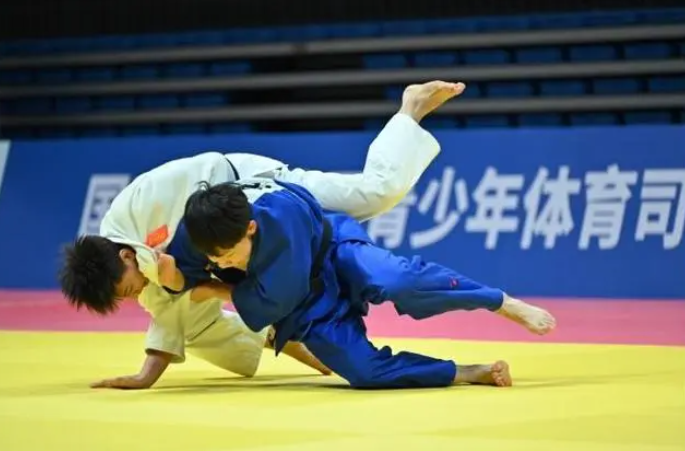
Judo
柔道
- 分类: 体育运动
- ID: 1867068434646089729
Home CategorySports and GamesJudoPlay3 minsJudo, developed by Jigoro Kano in late 19th century Japan, is a modern martial art rooted in jujutsu. Emphasizing skill over strength, it follows principles of "maximum efficiency with minimum effort" and "mutual welfare and benefit," serving as both physical exercise and personal development.ShareCatalogue1. Origins and Historical Context2. Evolution and Olympic Inclusion3. Techniques and Practices4. Philosophical Underpinnings
Origins and Historical Context
Judo, a modern martial art, was developed in Japan in the late 19th century by Jigoro Kano. Its roots lie in the ancient practices of jujutsu, a martial art that was utilized by the samurai class for self-defense without weapons. Kano sought to create an art that emphasized skill and control over raw strength, laying down the foundation for judo, which translates to "gentle way." His philosophy centered around two main principles: "maximum efficiency with minimum effort" and "mutual welfare and benefit." These principles guided the development of judo as both a physical exercise and a form of personal development.
Evolution and Olympic Inclusion
Judo was first introduced to the international sporting community in the early 20th century. It gained rapid popularity and spread worldwide, culminating in its inclusion as an official Olympic sport at the Tokyo 1964 Summer Games. This marked a significant milestone, elevating judo's status as a competitive international sport. Over the years, judo's rules and regulations have been refined to promote fair play and safety, making it a staple in international sporting events. The art form has continued to evolve, with practitioners and competitions flourishing globally.
Techniques and Practices
Judo is characterized by its emphasis on throws, joint locks, and pins. Techniques are divided into "nage-waza" (throwing techniques) and "katame-waza" (grappling techniques). Unlike other martial arts, judo does not involve striking or kicking. Instead, practitioners, known as judokas, focus on using their opponent's force against them, employing techniques that leverage balance, timing, and leverage. Training in judo builds physical strength, flexibility, and mental discipline, making it a popular practice for both competitive and recreational purposes.
Philosophical Underpinnings
The philosophy of judo extends beyond physical techniques. Jigoro Kano envisioned judo as a way to not only improve the body but also the mind and character of its practitioners. The practice of judo instills values such as respect, humility, and perseverance. The dojo, or training hall, serves as a place for personal growth and self-improvement, where judokas are taught to embody the spirit of judo in their everyday lives. The moral code of judo emphasizes honor, courage, and friendship, fostering a sense of community among practitioners. Article reference1. Countdown to Olympic Games Paris 2024 with Chinese sports-themed artifacts (Ⅰ). chinaservicesinfo.com. 2024Photo Gallery(1 picture)CategoriesSports and GamesTagMartial ArtsTraditional SportsRelatedBruce LeeCatalogue1. Origins and Historical Context2. Evolution and Olympic Inclusion3. Techniques and Practices4. Philosophical Underpinnings- - - []








