Mahjong
Introduction
Mahjong is a traditional Chinese game that has gained global popularity over the years. Originating in China during the 19th century, it is typically played by four players using a set of 144 tiles. The game involves a combination of skill, strategy, and chance as players draw and discard tiles in an attempt to form a winning hand. Each player aims to achieve a specific set of tile combinations to win, which requires careful observation and strategic planning.
Historical Background
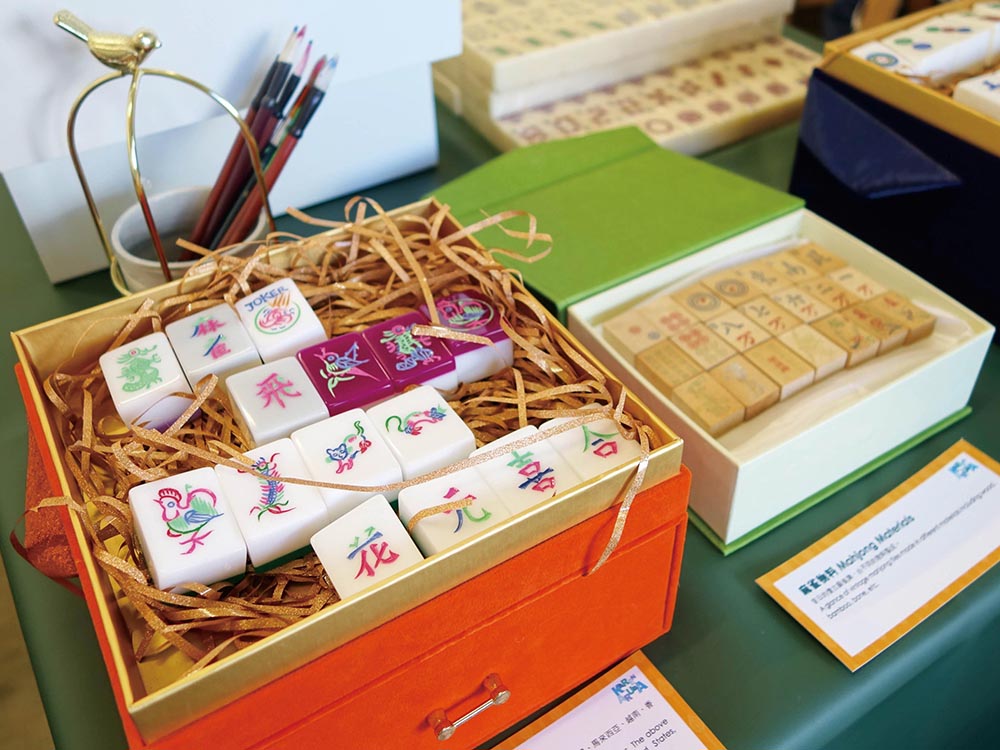
Mahjong's origins are traced back to the Qing Dynasty (1644–1911) in China. The game is believed to have been developed from earlier card games and gambling activities that were popular during the dynasty. Mahjong's design, characterized by its distinctive tiles, reflects traditional Chinese symbols and characters. These tiles are divided into suits, honors, and bonuses, with each having a unique role in the gameplay.
Gameplay and Rules
The primary objective of Mahjong is to form a complete hand by drawing and discarding tiles. A standard hand consists of four sets of three tiles and a pair. These sets can be "pungs" (three identical tiles), "chows" (a sequence of three consecutive tiles in the same suit), or "kongs" (four identical tiles). The pair, known as the "eye," can be any two identical tiles.
The game begins with players receiving an initial hand of 13 tiles. In each turn, a player draws one tile and discards one tile, maintaining a hand of 13 tiles. The game continues until a player completes a legal hand using the 14th drawn tile. Players must strategically decide which tiles to keep and which to discard, taking into account the potential moves of their opponents.
The rules of Mahjong can vary significantly between different regions and styles. For instance, in international tournaments, the "mahjong competition rules" (MCR) are often used to standardize gameplay. These rules emphasize strategy and skill, making Mahjong a competitive mind sport.








