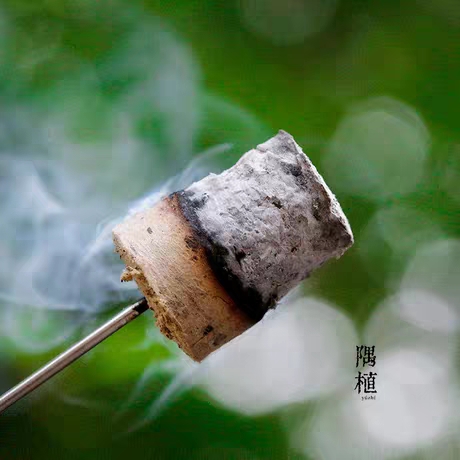
Moxibustion
Introduction
Moxibustion is a traditional Chinese medicine (TCM) therapy that involves the burning of dried moxa, often made from the leaves of the mugwort plant (Artemisia vulgaris), on or near specific points on the body to facilitate healing and maintain health. This practice is one of the key components of TCM, alongside acupuncture, and has been used for thousands of years in China and other parts of Asia.
Historical Background
The practice of moxibustion dates back to ancient times, with its origins embedded deeply in Chinese culture and medicine. It was developed as part of a broader system of holistic health care that perceives the human body as a micro-universe connected by channels, known as meridians. These are believed to balance the body’s vital energy, or qi, and its flow throughout the body is essential for maintaining health.
Techniques of Moxibustion
Moxibustion can be performed using two primary methods: direct and indirect. In direct moxibustion, a small, cone-shaped amount of moxa is placed on an acupuncture point and burned. This method is less common today due to the risk of burns. Indirect moxibustion involves holding a burning moxa stick near the skin, which generates heat that penetrates the area without direct contact, reducing the risk of burns while still promoting healing.
Theoretical Basis
According to TCM theory, moxibustion serves to strengthen the blood, stimulate the flow of qi, and maintain general health. It is believed to warm the meridians, dispelling cold and dampness from the body, which can lead to pain and illness. This practice is used to treat a wide range of conditions, from digestive disorders to chronic pain and fatigue, by restoring balance and harmony within the body.
Mugwort: The Key Component
Mugwort, or moxa, is the primary material used in moxibustion. This plant, known in Mandarin as ai cao, has been valued for its medicinal properties for centuries. It is aromatic and believed to have a warming effect on the body. Mugwort is typically dried and compressed into sticks or cones for use in moxibustion, and its effects are enhanced by its ability to improve blood circulation and boost the immune system.
Global Recognition and Practice
On November 16, 2010, acupuncture and moxibustion were recognized by UNESCO as part of the Intangible Cultural Heritage of Humanity. While traditionally practiced in China, the use of moxibustion has spread to other parts of the world, including Southeast Asia, Europe, and the Americas, where it is often integrated into alternative and complementary medicine practices.
Modern Applications and Research
Recent studies have explored the applications of moxibustion in modern healthcare, particularly its effects on regulating endocrine functions, promoting weight loss, and enhancing the immune response. Some TCM practitioners recommend moxibustion as a preventive measure against diseases and as a remedy for improving general wellness, citing its benefits in detoxifying the body and alleviating symptoms of stress and fatigue.
The renewed interest in holistic and traditional medicine has seen a resurgence in the popularity of moxibustion. It is increasingly being used as a home-based healthcare practice, with individuals using moxa sticks and other related products to manage common ailments like headaches, menstrual cramps, and joint pain. This trend reflects a broader movement towards natural, non-invasive therapeutic practices that emphasize self-care and wellness.
Education and Transmission
The art and practice of moxibustion are traditionally taught through master-disciple relationships and are now also included in formal TCM education programs. The transmission of this knowledge involves both practical demonstrations and theoretical learning, ensuring that practitioners can apply these techniques safely and effectively.
Cultural and Economic Impact
In regions where mugwort is cultivated and processed for use in moxibustion, such as Jiangxi province in China, the practice supports local economies by providing jobs and promoting agricultural development. The growing demand for mugwort and moxa products has encouraged innovations in cultivation and processing techniques, strengthening the economic viability of this traditional practice.








