Wonton
Introduction
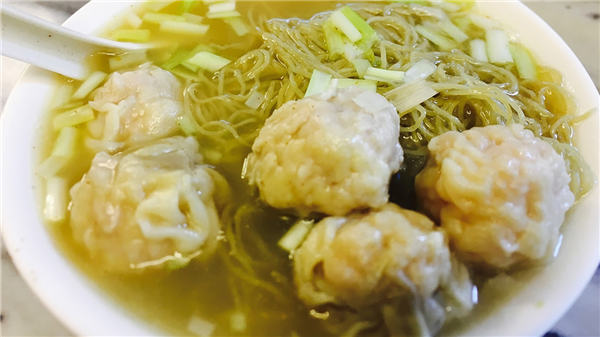
Wonton, a type of dumpling widely enjoyed in Chinese cuisine, has become a culinary staple across the globe. Known for their versatility, wontons can be prepared in a variety of ways, from being served in savory soups to being deep-fried and coated with chili oil. While there are numerous recipes and styles of wontons, the city of Guangzhou is particularly renowned for its Wonton noodles, a dish that combines the delicate dumplings with springy egg noodles and a flavorful broth.
Characteristics and Preparation
The hallmark of a superior wonton dish lies in the quality of its broth and noodles. In Guangzhou, the preparation of the broth is a meticulous process that entails hours of simmering to achieve a rich, yet light and savory liquid that carries a hint of the sea. The noodles, often made with fresh duck eggs, provide a firm, al dente texture that complements the silkiness of the wontons.
Wontons themselves are typically filled with a mixture of ingredients. Common fillings include pork, shrimp, and vegetables, with regional variations incorporating local flavors and ingredients. In some recipes, such as those found in Jiangsu province, fillings may consist of spring bamboo shoots, pork, fried potherb mustard, and slices of capelin, offering a unique blend of flavors from both land and sea.
Culinary Significance and Regional Variations
Throughout China, wontons play a significant role not only in daily cuisine but also in cultural and seasonal traditions. In Nantong, Jiangsu province, wontons are a breakfast staple enjoyed throughout the year, with variations such as long-tailed anchovy wontons being particularly popular in spring. The preparation of wontons in Nantong highlights the diversity of soups that accompany them, with options including bone soup, fish soup, and the classic white soup.
In the city of Yangzhou, another regional variant, known as jiaomian, combines wontons with noodles in a dish that symbolizes the blending of happiness and daily life. This dish is celebrated for its auspicious meaning and unique taste, often featuring wontons stuffed with sought-after fillings like shrimp roe.
Cultural and Historical Context
Historically, wontons have been intertwined with Chinese culture and celebrations. For instance, during the Qing Dynasty (1644-1911), wontons were an integral part of the Winter Solstice celebrations in royal households, where they were offered as sacrifices before being consumed by the family. The tradition of crafting silver-ingot-shaped wontons for this occasion underscores their cultural significance.
Wontons also find their place in contemporary Chinese festivals, such as the Spring Festival. They are often made in large quantities, symbolizing luck and prosperity for the coming year. The practice of making wontons is a communal activity, often bringing families together to prepare and enjoy the dish.








