Nanluoguxiang
Introduction
Nanluoguxiang, often referred to as "South Luogu Alley," is a well-preserved and culturally rich area located in the heart of Beijing, China. Known for its historical significance and vibrant atmosphere, Nanluoguxiang is a bustling street that stretches for approximately 800 meters. It is lined with traditional Chinese architecture, quaint shops, trendy cafes, and a variety of dining options. As one of Beijing's most popular tourist destinations, Nanluoguxiang attracts both locals and international visitors who come to explore its charming alleyways, experience its cultural heritage, and enjoy its lively ambiance.
History
The history of Nanluoguxiang dates back to the Yuan Dynasty (1271-1368), when it was originally established as part of the city's hutong system. During the Ming Dynasty (1368-1644) and Qing Dynasty (1644-1911), the area became a residential neighborhood for government officials and wealthy families. Over the centuries, Nanluoguxiang has witnessed many changes, yet it has managed to preserve its traditional charm and historical significance. The alleyway is characterized by its gray-brick buildings and traditional courtyard homes known as "siheyuan," which reflect the architectural style of ancient Beijing. Despite modernization and urban development, Nanluoguxiang has retained its cultural heritage, making it a unique blend of history and contemporary lifestyle.
Architecture
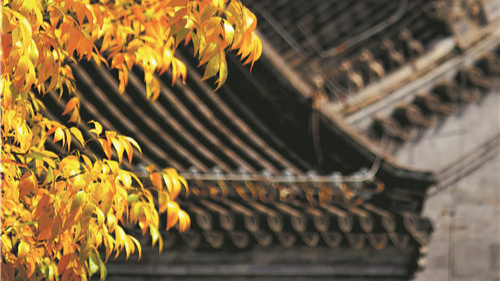
Nanluoguxiang's architecture is a testament to the traditional Chinese style that has endured over centuries. The buildings along the alley are primarily constructed with gray bricks and feature classic Chinese elements such as tiled roofs, wooden beams, and decorative eaves. The siheyuan courtyards are a hallmark of the area, showcasing a unique architectural layout that consists of a central courtyard surrounded by rooms on all four sides. These courtyards were historically used as family residences and have been meticulously preserved to maintain their historical integrity. As visitors stroll through Nanluoguxiang, they can admire the intricate designs and craftsmanship of the traditional buildings, which stand in stark contrast to the modern boutiques and cafes that now occupy many of the structures.
Cultural Significance
Traditional Courtyards
The traditional courtyards of Nanluoguxiang, or siheyuan, are of great cultural importance. These courtyards represent the quintessential Beijing lifestyle and offer insight into the social and familial structures of ancient Chinese society. Each courtyard is a microcosm of traditional Chinese architecture, with its layout reflecting the principles of feng shui and harmony with nature. The courtyards have been home to many notable figures throughout history, including scholars, artists, and politicians, adding to their cultural and historical value. Today, these courtyards serve as a living museum, allowing visitors to step back in time and experience the elegance and simplicity of traditional Chinese living.
Preservation Efforts
Preservation efforts in Nanluoguxiang have been crucial in maintaining its historical and cultural significance. In recent years, local governments and heritage organizations have actively worked to protect and restore the traditional architecture and character of the area. These efforts include the renovation of old buildings, the implementation of regulations to restrict modern construction, and the promotion of cultural activities that celebrate the rich history of Nanluoguxiang. By preserving its architectural heritage and promoting cultural initiatives, Nanluoguxiang continues to be a vibrant and relevant part of Beijing's historical landscape.
Transportation
Nanluoguxiang is conveniently accessible by various modes of transportation. It is located near several subway stations, making it easy for visitors to reach the area by public transport. Buses and taxis are also readily available for those who prefer alternative means of travel. For a more immersive experience, visitors can explore the surrounding hutongs on foot or by bicycle, allowing them to fully appreciate the charm and character of the area. The accessibility and convenience of transportation options make Nanluoguxiang a popular destination for both local residents and international tourists.








