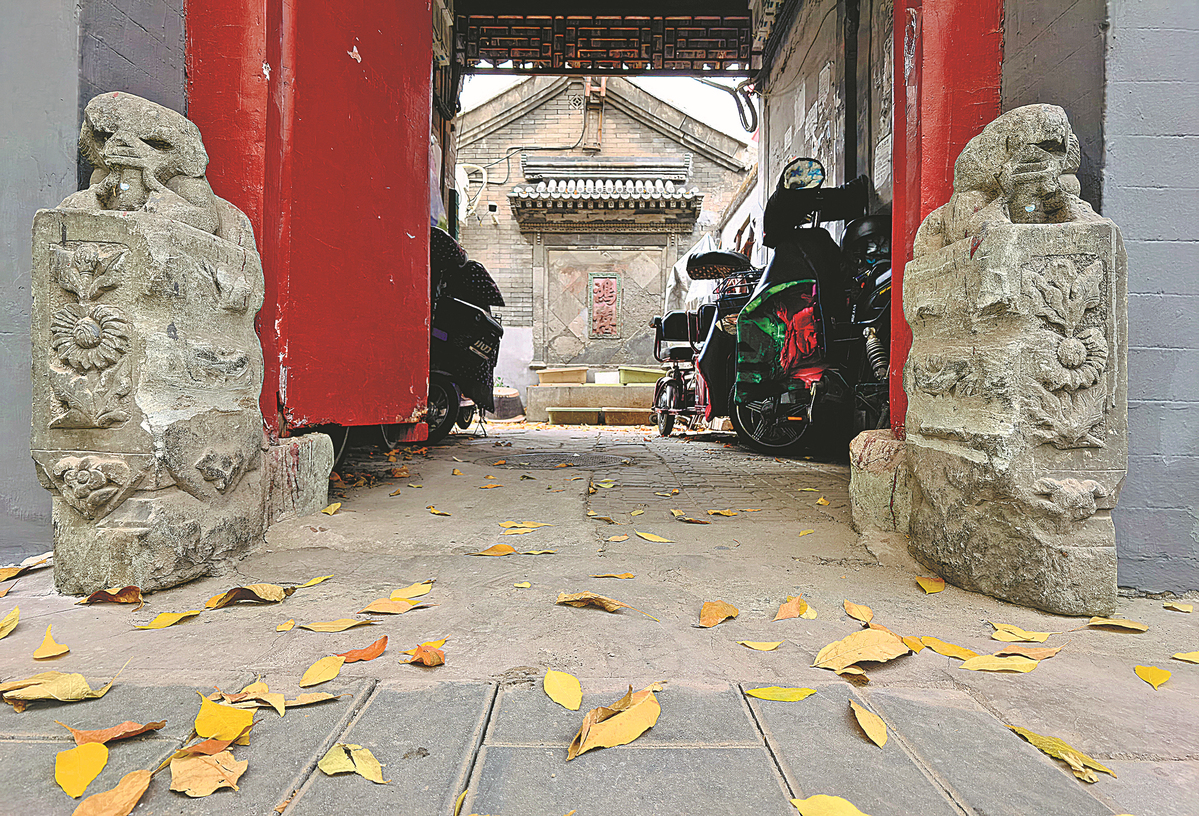
Siheyuan
Introduction
A siheyuan, or courtyard house, is a traditional residential structure found in China, especially in Beijing. These historical buildings are characterized by a central courtyard surrounded by buildings on all four sides, forming a rectangle. They exemplify a quintessential element of Chinese architectural heritage and urban planning, particularly in Beijing's hutong neighborhoods, which are narrow alleys lined with these courtyard homes.
Historical Context and Design
The architectural style of siheyuan has been prevalent in Chinese culture for centuries, with roots tracing back to the Western Zhou Dynasty (1046-771 BCE), with their development reaching its zenith during the Ming (1368–1644) and Qing (1644–1911) dynasties. The layout of a siheyuan is highly symbolic and practical, reflecting traditional Chinese aesthetics and concepts of harmony. Typically, the main building is situated on the north side, facing south, which offers the best sunlight exposure. The side buildings are used for lesser functions and by younger family members or servants. This arrangement not only provides privacy but also fosters a self-contained family environment.
Cultural Significance
Siheyuan are more than just architectural structures; they are a cultural symbol of a bygone era of Chinese urban life. These courtyard homes are embedded in the cultural and social fabric of old Beijing, representing a lifestyle that prioritizes family unity and community. The courtyards foster a close-knit community environment, allowing for interactions and shared experiences among neighbors. This cultural significance is often highlighted in various forms of Chinese art, literature, and media, including TV series like "Qingman Siheyuan" (Love in a Courtyard), which dramatizes life in these iconic settings.
Modern Usage and Preservation
In recent decades, Beijing's siheyuan have faced threats from urbanization and modernization. However, efforts from preservationists and various cultural initiatives aim to maintain these historical structures. Many siheyuan have been repurposed into upscale residences, boutique hotels, cultural centers, and museums to preserve their legacy while adapting to contemporary needs. For instance, some have been converted into spaces for art exhibitions or community libraries.
Urban renewal projects, such as those in the Baitasi neighborhood, focus on integrating modern design with traditional siheyuan architecture. These projects aim to rejuvenate these areas without altering the essential lifestyle of the inhabitants. Renovation processes often involve modern architects and designers who work to preserve the historical integrity of the siheyuan while updating them with contemporary amenities. These efforts are part of a broader initiative to rebrand Beijing as a cultural as well as administrative capital, making it a hub for both tourists and residents interested in cultural heritage.








