Qinggong
Introduction
Qinggong, translating to "clear offering," is a significant cultural tradition rooted deeply in Chinese history and society. It embodies the principles of reverence, harmony with nature, and the aspirations for a better life, reflecting the Chinese people's profound respect for their ancestors and spiritual beliefs. Originating as a ritualistic practice, qinggong has evolved over millennia, transitioning from primitive sacrificial customs to a refined aesthetic and cultural tradition. Today, it continues to hold an essential place in Chinese culture, particularly during significant occasions such as Spring Festival, where it symbolizes blessings, renewal, and prosperity.
History
The origins of qinggong can be traced back to primitive societies and the pre-Qin period (before 221 BC). During this time, early tribes practiced ritual sacrifices, offering fresh prey, fruits, and clean water to deities, ancestors, and natural elements such as mountains and rivers. These offerings were intended to secure favorable weather, successful hunts, and ancestral protection. Over time, these practices were formalized into the "li" (ritual) system, as documented in classical texts like The Rites of Zhou and The Book of Rites. The principles of "purity" (qing) and "offering" (gong) were established, emphasizing the importance of unblemished, fresh offerings arranged in a hierarchical order to convey sincerity and reverence.
During the Qin (221-206 BC) and Han (206 BC-AD 220) dynasties, qinggong began to evolve under the influence of religion and scholarly culture. Taoism incorporated qinggong into its blessing rituals, emphasizing offerings of pure and simple items such as clear wine, fresh fruits, and vegetarian food to symbolize a distraction-free mind and sincere intent. The introduction of Buddhism further enriched qinggong, introducing offerings like flowers, pure water, lamps, and incense to align with the Buddhist values of non-violence and purity.
The aesthetic transformation of qinggong began during the Wei and Jin dynasties (AD 220-598), when scholars started to place small, clean objects such as exotic stones and fragrant herbs on their desks. This marked the shift from purely sacrificial purposes to a practice of personal cultivation and spiritual enjoyment. The Tang and Song dynasties (618-1279) represented the golden age of qinggong, as it became a dual carrier of scholarly aesthetics and folk blessings. During this period, the tradition expanded to include "desk qinggong," where scholars arranged objects like ancient artifacts, potted plants, and flowers for spiritual and aesthetic purposes.
In the Yuan, Ming, and Qing dynasties (960-1911), qinggong became more standardized and sophisticated. It incorporated cultural relics, jade, porcelain, and calligraphy, emphasizing artistic composition and simplicity. In modern times, while its sacrificial function has diminished, qinggong remains a cherished tradition, particularly during Spring Festival, symbolizing good fortune and prosperity.
Techniques
Basic Movements
The foundational techniques of qinggong emphasize the principles of purity and sincerity. In its early stages, offerings were meticulously prepared to ensure they were intact, fresh, and free from blemishes. The arrangement of these offerings followed a strict hierarchical order, reflecting the practitioner's reverence and dedication. Basic qinggong movements involved the careful selection and placement of items, ensuring their alignment with the ritual's symbolic and spiritual purposes.
Advanced Skills
As qinggong evolved, its techniques became more refined, incorporating elements of artistry and personal expression. Advanced qinggong practices involved the arrangement of objects to create harmonious compositions that reflected the practitioner's aesthetic sensibilities and spiritual aspirations. Scholars during the Tang and Song dynasties, for example, developed intricate arrangements of exotic stones, ancient artifacts, and flowers to symbolize integrity, purity, and natural beauty. These advanced techniques required a deep understanding of symbolism, balance, and artistic composition.
Cultural Significance
Qinggong holds profound cultural significance as a reflection of Chinese values and traditions. It embodies the principles of harmony with nature, respect for ancestors, and the pursuit of spiritual and aesthetic refinement. Throughout history, Qinggong has served as a medium for expressing reverence, cultivating personal virtues, and fostering a sense of connection with the divine and the natural world.
In addition to its spiritual and aesthetic dimensions, qinggong has played a vital role in Chinese festivals and celebrations. During Spring Festival, for example, families arrange offerings such as apples, oranges, and rice cakes on their altars, symbolizing peace, auspiciousness, and renewal. This practice highlights qinggong's enduring relevance as a cultural tradition that bridges the past and present.
Representation in Media
Qinggong's rich history and cultural significance have inspired numerous artistic and literary works. It has been depicted in traditional Chinese paintings, poetry, and literature, often as a symbol of scholarly refinement and spiritual aspiration. During the Song dynasty, qinggong scenes became a popular theme in paintings, showcasing the elegance and simplicity of this tradition.
In modern times, exhibitions and cultural events have celebrated qinggong as a vital aspect of Chinese heritage. For example, exhibitions like "The Poetic Realm of Refined Living" have showcased qinggong artifacts and their role in the lives of Ming and Qing dynasty scholars. These representations highlight qinggong's enduring influence on Chinese art, culture, and aesthetics.
Modern Interpretations
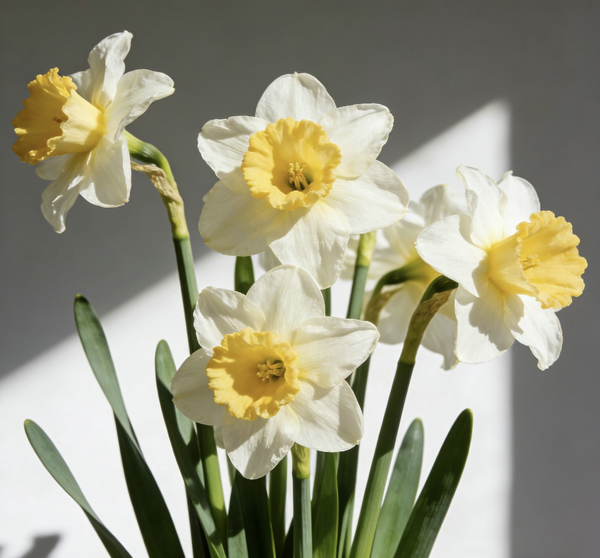
In contemporary society, qinggong continues to evolve as a cultural tradition that resonates with modern values and lifestyles. While its sacrificial and ritualistic functions have diminished, qinggong's aesthetic and symbolic dimensions remain relevant. Many people incorporate qinggong-inspired practices into their daily lives, such as arranging flowers, stones, and other objects in their homes and workspaces to create a sense of harmony and tranquility.
Modern interpretations of qinggong also emphasize its role in promoting mindfulness and well-being. By engaging with qinggong practices, individuals can cultivate a deeper connection with nature, art, and their inner selves. This reflects qinggong's enduring relevance as a tradition that transcends time and cultural boundaries.








