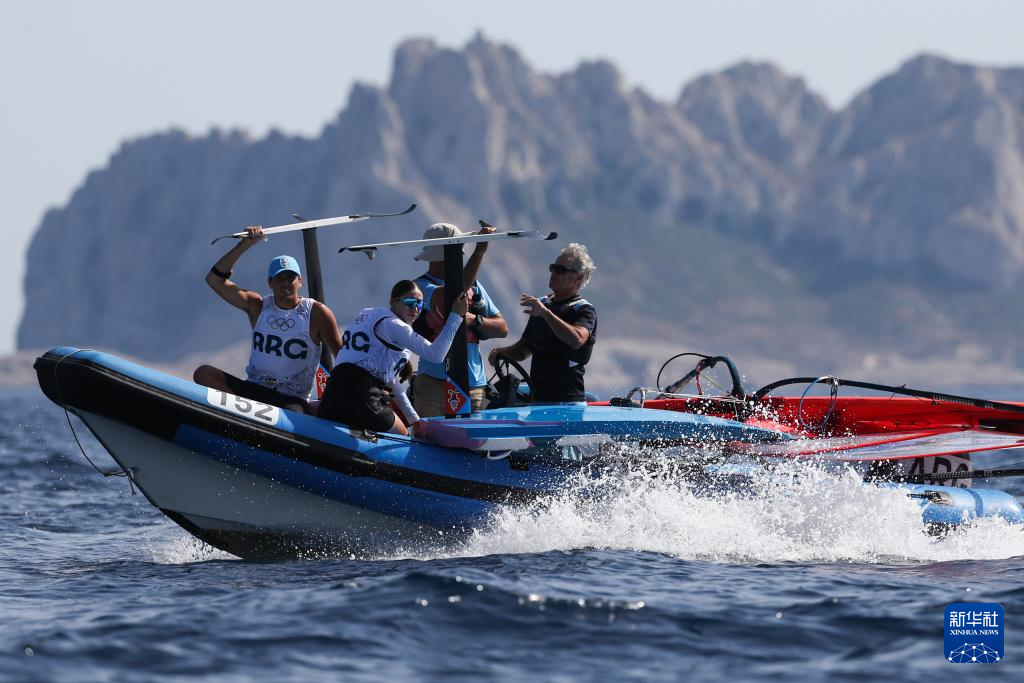
Sailing
Introduction
Sailing is a captivating water sport that relies on natural wind power acting on sails, with individuals operating boats for various purposes such as competition, recreation, leisure, exploration, and spectacle. With its origins dating back to ancient times, sailing has transformed from a mode of transportation into a sophisticated sport that challenges athletes to harness the wind's power and navigate the waters with skill and strategy.
History of Sailing
The history of sailing is intertwined with human civilization itself. Modern sailing as we recognize it today took shape in the Netherlands in the 17th century, leading to the establishment of sailing clubs and associations by the 18th century. The sport earned Olympic status in 1896 and has since become a staple of the Olympic Games. However, due to adverse weather conditions, it wasn't until 1900 that sailing competitions were held at the Olympic Games.
Types of Sailing
Racing
Racing events are among the most popular, where sailors engage in speed trials around courses marked by buoys. These races test sailors' abilities to interpret wind patterns and water currents to gain a competitive advantage.
Cruiser Racing
Cruiser racing offers a more leisurely sailing experience that combines the joy of sailing with the thrill of competition. It caters to those who relish sailing as a recreational pursuit while seeking the excitement of racing.
Match Racing
Match racing involves one-on-one duels between two boats, emphasizing strategy and tactics. Sailors must outmaneuver their opponents in a series of head-to-head contests.
Equipment and Techniques
Sailing necessitates a range of equipment, including sailboats, sails, masts, rigging, and safety gear. Boat designs vary widely, from small dinghies to large yachts, each tailored to different sailing styles.
Sail and Rigging
The sail serves as the primary tool for capturing wind power, while rigging comprises the ropes and pulleys that control the sails. Skilled sailors adeptly adjust sails and rigging to optimize speed and direction.
Navigation and Tactics
Sailing blends physical prowess with strategic thinking. Sailors must interpret wind and water currents, chart courses, and make quick decisions to maintain a competitive edge.
Competitive Sailing
Sailing competitions span from local regattas to prestigious international events like the Olympics, the America's Cup, and the Volvo Ocean Race. These gatherings attract sailors worldwide, showcasing the pinnacle of the sport and pushing boundaries on the water.
Health Benefits and Safety
Sailing offers numerous health advantages, including physical exercise, mental stimulation, and outdoor engagement. It imparts valuable life skills such as teamwork, problem-solving, and decision-making. Safety protocols and equipment are crucial in sailing to mitigate risks and ensure participant well-being. Photo Gallery(1 picture)CategoriesSports and GamesTagModern SportsRelatedHukou Waterfall Tourist Area of the Yellow RiverQuanzhou Maritime MuseumChina Grand Canal MuseumQixing Lake Ecological ParkCatalogue1. Introduction2. History of Sailing3. Types of Sailing4. Equipment and Techniques5. Competitive Sailing6. Health Benefits and Safety- - - []








