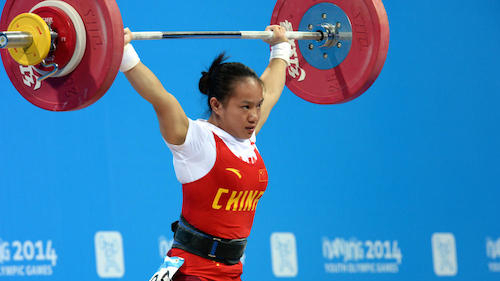
Weightlifting
Introduction
Weightlifting is a sport in which athletes lift heavy weights competitively in specific lifts. It is also a popular form of exercise for people of all ages, promoting physical fitness, strength, and endurance. Weightlifting is often associated with competitive sports, but it also encompasses a range of exercises that can be tailored to individual fitness goals, such as building muscle, increasing power, or improving overall health.
Historical Background
Weightlifting has ancient origins, with evidence of weightlifting activities dating back to the early civilizations of Egypt and China. However, it was in the 19th and 20th centuries that weightlifting began to develop as a formalized sport. The early 20th century saw the introduction of organized weightlifting competitions, and it became an official Olympic sport in 1896. Over the years, the rules and techniques have evolved, but the core lifts—the snatch and clean and jerk—remain at the heart of competitive weightlifting.
Health Benefits and Fitness Importance
Weightlifting offers numerous health benefits, including increased muscle mass, improved bone density, enhanced metabolic rate, and better joint function. As a resistance training activity, it helps in the prevention of age-related muscle loss and osteoporosis. Additionally, weightlifting boosts cardiovascular health, aids in weight management, and contributes to mental well-being by reducing stress and anxiety levels. The physical and psychological benefits of weightlifting make it an integral component of fitness programs worldwide.
Weightlifting in Fitness Regimens
Incorporating weightlifting into fitness regimens requires understanding of proper techniques and safety measures to prevent injuries. Beginner weightlifters should focus on mastering form and gradually increasing weight to build strength safely. Structured programs often include a variety of exercises targeting different muscle groups, with attention to factors like frequency, intensity, and duration. Age-specific guidelines, as outlined in resources like the National Fitness Guide of China, provide exercisers with tailored regimens that consider individual physical and mental conditions.
Popularity and Participation
The popularity of weightlifting has grown significantly, fueled by increased public awareness of its health benefits and the rise of fitness culture. Gyms and fitness centers worldwide offer weightlifting facilities and classes, catering to diverse age groups and skill levels. Social media and online platforms have further amplified interest, with communities sharing tips, achievements, and motivational content. Events like National Fitness Day in China illustrate the widespread engagement in fitness activities, including weightlifting, as part of a national health and wellness movement.
Weightlifting as a Competitive Sport
As a competitive sport, weightlifting is governed by strict rules and regulations, with athletes competing in different weight classes. The sport demands not only physical strength but also technical precision and strategic planning. Athletes train extensively to perfect their lifting techniques, focusing on the snatch and clean and jerk lifts. Competitions are held at local, national, and international levels, with the Olympic Games being the pinnacle of achievement for competitive weightlifters.
Training and Safety Guidelines
Training for weightlifting involves a combination of technique work, strength training, and conditioning. Athletes often follow periodized training programs, designed to peak their performance for specific competitions. Safety is paramount in weightlifting; proper warm-up routines, technique drills, and weight management are essential to prevent injuries. Additionally, weightlifters must pay attention to recovery, nutrition, and mental preparation to maintain performance and well-being.








