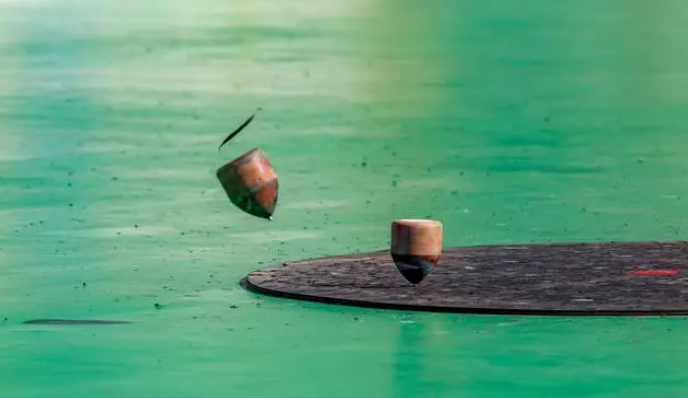
Tuoluo
Introduction
Tuoluo, also known as a spinning top, is a traditional toy that has captivated people worldwide with its simple yet mesmerizing motion. This entry explores the multifaceted aspects of Tuoluo, examining its cultural significance, historical background, design variations, and influence on modern culture. The spinning top is not only a toy but also a symbol of balance and skill, reflecting the ingenuity and artistry of its creators.
Design and Structure
Traditional Designs
Traditional Tuoluo designs vary widely, reflecting the cultural and material influences of their regions of origin. Classic spinning tops are typically made of wood, with a conical or spherical body and a pointed tip. The simplicity of these designs belies the craftsmanship involved in creating a top that spins smoothly and steadily.
In some cultures, tops are elaborately decorated, featuring intricate carvings, paintings, or inlays that enhance their aesthetic appeal. These decorative elements often incorporate traditional motifs and symbols, making each top a unique work of art. The design of the top is crucial to its performance, with factors such as weight distribution, symmetry, and tip shape affecting its spinning capabilities.
Modern Adaptations
Modern adaptations of Tuoluo incorporate new materials and technologies, expanding the possibilities for design and functionality. Contemporary tops may be crafted from metals, plastics, or composites, offering greater durability and precision. Innovations such as ball bearings and gyroscopic stabilization enhance the top's spinning performance, allowing for longer and more stable spins.
Some modern designs focus on educational and interactive elements, integrating sensors or electronic components that provide feedback on the top's motion. These adaptations offer new ways to engage with the traditional toy, appealing to a tech-savvy audience while preserving the essence of the spinning top experience.
Usage and Techniques
Spinning Techniques
Mastery of Tuoluo involves a variety of spinning techniques that enhance both performance and enjoyment. The basic method involves holding the top between the thumb and forefinger, giving it a quick flick to set it in motion. Skilled practitioners develop their techniques, incorporating spins, flips, and catches that showcase their dexterity and creativity.
Competitive spinning events often highlight these advanced techniques, with participants striving to achieve longer spins, complex maneuvers, and precise control. The art of spinning becomes a performance, captivating audiences with its blend of skill and artistry.
Gameplay Variations
Tuoluo is at the heart of many traditional games, with rules and objectives that vary by region and culture. Common gameplay variations include endurance challenges, where the goal is to keep the top spinning for the longest duration, and obstacle courses that test the spinner's control and precision.
In some cultures, tops are used in competitive games similar to marbles or dice, where players take turns spinning their tops in an attempt to knock over targets or land in specific areas. These games often involve a blend of strategy and chance, reflecting the dynamic and unpredictable nature of the spinning top.








